Going to court, in plain English
Short, focused articles on one question each: what a paper means, what to bring, what happens next. General information that holds in most courts, with pointers to your court's own rules.
Featured

Sued in small claims? What to do as the defendant
Small claims is faster and simpler than other courts, but you still need to prepare. Here is what to do after you are served, from the hearing date to settling.
5 min readRead
What is PACER? How to look up federal court records
PACER is the federal courts' public records system. Here is what it holds, how to sign up, what it costs, and how it differs from filing papers yourself.
5 min readRead
How to write a complaint without a lawyer: parts and plain writing tips
A complaint is the paper that starts a lawsuit. Here are its parts, how to write numbered facts in plain words, and when a court's own form is the easier route.
6 min readReadFind what you need
100 articles
 Workplace cases
ADA job discrimination lawsuit basics: disability and accommodation at work
Title I of the Americans with Disabilities Act protects workers and applicants with disabilities and requires reasonable accommodation. Here is who is covered, the facts that matter, and how a case reaches court.
5 min readRead If you're sued
Affirmative defenses explained: what they are and why to raise them
An affirmative defense says the plaintiff should not win even if their facts are true. Learn the common ones and why they usually belong in your answer.
5 min readRead Workplace cases
Age discrimination lawsuit basics: the ADEA and how its timing differs
The Age Discrimination in Employment Act protects workers 40 and older. Its timing rules differ from Title VII: you can sue 60 days after a charge, without waiting for a notice.
5 min readRead Costs and options
AO 240 explained: the federal application to waive court fees
The AO 240 is the short form federal courts use when you ask to file without prepaying fees. Here is what each part asks, why honesty matters, and what the judge decides.
6 min readRead Costs and options
Arbitration clause: can you still sue?
Many contracts and job agreements say disputes go to arbitration, not court. Learn how to find the clause, what it may allow, and what to ask before you file.
5 min readRead After judgment
Bank levy explained: how a judgment creditor reaches a bank account
A bank levy, also called a bank garnishment, lets a court order freeze and turn over money in a debtor's account. Here is how it works, what is protected and what to expect.
5 min readRead E-filing
Can self-represented people e-file in court? It depends on the court
Some courts require e-filing, some allow it, and some keep it for lawyers. Here is how the rules differ and how to find the one that applies to you.
5 min readRead Serving papers
Can you serve court papers by certified mail? Rules and return receipts
Some courts let you serve papers by certified mail, and others do not. Here is when mail is allowed, how return receipts work, and what happens when the mail is refused or unclaimed.
6 min readRead Serving papers
Can you serve court papers yourself? Who is allowed to
In most courts a party to the case cannot serve their own papers. Here is why, who can do it for you, and the exceptions, such as mail service done by the clerk.
6 min readRead Small claims
Can you sue for emotional distress in small claims court?
Small claims courts mostly award money for losses you can prove. Here is why emotional distress claims are hard there, what you can ask for instead and when to ask your law firm.
6 min readRead Federal court
Civil cover sheet (JS 44): what it is and how to fill it out
The JS 44 is a one-page form filed with a new federal civil complaint. Here is when you need it and what its main boxes ask for, in plain words.
6 min readRead If you're sued
Counterclaims and cross-claims: what they are and when they are due
A counterclaim is your own claim against the person suing you. A cross-claim is against someone on your side. Learn the difference and the federal Rule 13 basics.
5 min readRead Costs and options
Court costs you can recover if you win, and how to ask
Winning a case does not always put you back where you started. Learn the difference between costs and fees, what a winner can often ask for, and how to ask.
6 min readRead E-filing
Court email notices: how to get them and avoid missing one
Courts can send notices about your case by email. Here is how federal and state notices work, why a current address matters, and how to keep them out of your spam folder.
4 min readRead Court paperwork
Court filing checklist: what to check before you file anything
A step-by-step list to run through before you file court papers on your own, from choosing the right court to planning how the other side gets a copy.
5 min readRead Costs and options
Court filing fees explained: what you pay for and who pays
Courts charge fees to open a case and to file some later papers. Here is what the fees pay for, which papers have them, who pays, and where to see your court's fee.
6 min readRead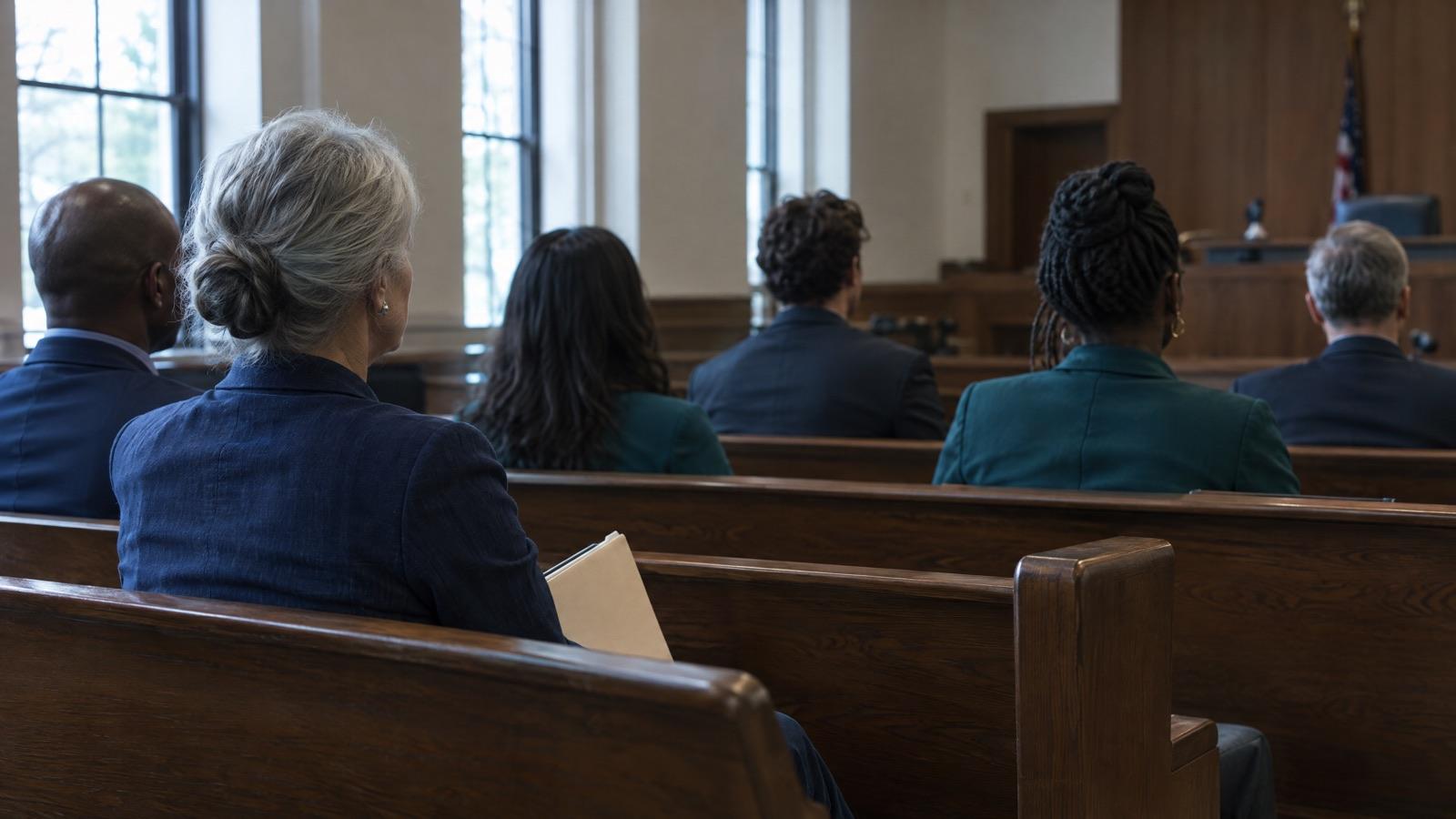 Hearings and trials
Courtroom etiquette: what to do from the moment you arrive
Arrive early, silence your phone, stand when asked, know who sits where and how speaking order works. Simple manners that help your day go smoothly.
5 min readRead After judgment
Debtor's examination explained: questioning someone about their assets
A debtor's examination makes the person who owes you a judgment answer questions about their income and property. Here is how it works, what to ask and what to expect.
5 min readRead Court paperwork
Declaration under penalty of perjury: wording, vs affidavits, and notaries
A declaration is a sworn-style statement you sign without a notary. Here is how it differs from an affidavit, the federal wording, and when a notary is still needed.
5 min readRead E-filing
 fees: court filing fees vs provider and card fees
Filing online can involve more than one charge. Here is how the court's fee differs from a provider or convenience fee, and what a fee waiver does and does not cover.
4 min readRead E-filing
 vs paper filing: pros, cons and when paper is still required
Both ways of filing can work, and some courts only offer one. Here is how they compare, what counts as the filed time, and when paper is still needed.
4 min readRead E-filing
eFileTexas explained: who must e-file and how to file on your own
eFileTexas is the statewide e-filing system for Texas courts. Here is who must use it, what is optional for people without a lawyer, and how providers work.
4 min readRead Federal court
 or state court: which one is right for your case?
Most cases belong in state court. Some can or must go to federal court. Here is how the two differ and how to tell where yours goes.
6 min readRead Federal court
Federal Rules of Civil Procedure basics: a beginner's map
The Federal Rules of Civil Procedure set the steps of a federal civil case. Here is a plain map of the rules you will meet first, and where to read them.
6 min readRead Federal court
Federal summons (AO 440) explained: who fills it out and how it is served
The AO 440 is the summons form for federal civil cases. Here is who fills it out, how the clerk issues it, how it is served with the complaint, and what the return of service is.
6 min readRead Federal court
Help for people without lawyers in federal court: pro se resources
Many federal courts offer pro se staff, handbooks, clinics and law libraries for people who represent themselves. Here is what each can and cannot do, and how to find yours.
5 min readRead Hearings and trials
How a civil trial works, step by step
Jury or judge, opening statements, witnesses, exhibits, closing arguments and the decision: the usual order of a civil trial, in plain words.
6 min readRead Costs and options
How a small business can sue a customer for an unpaid invoice
If a customer will not pay, you can send a demand letter and, if needed, file in small claims. Here is the evidence to gather and who can speak for a business in court.
5 min readRead After judgment
How long does a court judgment last? Renewals, interest and deadlines
A judgment does not last forever, but it often lasts many years and can usually be renewed. Here is how to find your state's time limit, how interest works and how renewal works.
5 min readRead Court paperwork
How many copies do you need for court? Conformed copies and your own set
Courts differ on how many copies of a paper you bring or send. Here is how to find out, what a conformed copy is, and how copies for the other side fit in.
5 min readRead Small claims
How much does small claims court cost? Every expense to plan for
The filing fee is only one cost. Here is everything that can cost money in a small claims case, how to estimate it, how fee waivers work and how to ask for costs back.
6 min readRead If you're sued
How to answer a summons without a lawyer: deadline, forms and filing
You were handed a summons and a complaint. Here is how to read the summons, find your deadline, pick the right form, and file and deliver your answer.
7 min readRead After judgment
How to appeal a federal court decision: deadlines, notice and briefs
Appealing asks a higher court to review a federal district court's decision. Here are the deadline, the first paper you file, the record, the briefs and where to get help.
5 min readRead Costs and options
How to ask a state court to waive your fees
If you cannot afford court fees, a state court may excuse them. Here is who usually qualifies, what the form asks, what a waiver covers, and what to do if you are denied.
5 min readRead If you're sued
How to ask for more time to respond to a lawsuit: stipulations and extensions
If you need more time to answer, you can often ask the other side to agree, or ask the court. Here is how, when to ask, and what to put in writing.
6 min readRead Hearings and trials
How to bring a witness to court: choosing, preparing and subpoenas
Who makes a good witness, how to prepare them honestly, when a subpoena is needed, and the difference between a written statement and live testimony.
6 min readRead Costs and options
How to calculate damages for a small claims or civil case
Damages are the money you ask a court to award. Learn the main types, how to document each, how interest works, and what courts usually will not award.
5 min readRead Court paperwork
How to file court papers by mail: envelope, copies and proof of the date
Many courts take filings by mail, but not all, and the filing date rules differ. Here is how to prepare the envelope, what to include and how to keep proof.
5 min readRead Federal court
How to find a federal case number, and what each part means
A federal case number looks like a string of digits and letters, but each part means something. Here is how to read one, where to find yours, and why you need it.
5 min readRead Hearings and trials
How to label and organize exhibits for court
Number or letter each exhibit, list them, make copies for the judge and the other side, and keep digital files tidy. A simple system you can set up in an evening.
6 min readRead Hearings and trials
How to prepare for a court hearing: a week-by-week plan
A calm plan for the weeks and days before your hearing: what to read, what to bring, what to say, and how to get there on time.
6 min readRead Hearings and trials
How to present evidence in court when you have no lawyer
The kinds of evidence, how to show them to the judge, how to share them with the other side, and the objections you may hear, in plain words.
6 min readRead Court paperwork
How to redact personal information in court filings, including PDFs
Court filings are often public. Here is what federal Rule 5.2 says to hide, how state rules compare, and how to black out information so it is truly gone from a PDF.
5 min readRead Serving papers
How to serve a business: registered agents, corporations and LLCs
A company is served through a person the law lets you reach. Here is how to find its registered agent, who else can accept papers, and what federal Rule 4(h) says.
6 min readRead Serving papers
How to serve someone who lives in another state
You can often serve a person who lives in another state, but the rules you follow and the helper you use may change. Here is how it usually works in state and federal court.
6 min readRead If you're sued
How to settle a lawsuit yourself: negotiating, agreements and dismissal papers
Most lawsuits end in a settlement, not a trial. Learn how to negotiate on your own, put the deal in writing, end the case with the court, and check the terms before signing.
6 min readRead Court paperwork
How to sign court documents: ink, typed /s/ signatures and notaries
Court papers usually need your signature, and what counts depends on the court and how you file. Here is what Rule 11 asks, when a typed signature works, and when a notary is needed.
5 min readRead Small claims
How to sue a contractor in small claims court for unfinished or bad work
If a contractor left a job unfinished or did it badly, small claims may help. Here is what to do first, what to gather and how to name the business correctly.
5 min readRead Small claims
How to sue a landlord in small claims court: repairs, deposits and more
Small claims can help with a withheld deposit, repair costs or damaged belongings. Here is what to gather, what records to keep and what to know about retaliation.
5 min readRead Hearings and trials
How to talk to a judge when you have no lawyer
Say "Your Honor," wait your turn, keep answers short and calm. What to say, what to avoid, and what to do if you do not understand.
5 min readRead- Court paperwork
How to write a complaint without a lawyer: parts and plain writing tips
A complaint is the paper that starts a lawsuit. Here are its parts, how to write numbered facts in plain words, and when a court's own form is the easier route.
6 min readRead  If you're sued
How to write an answer to a complaint: admit, deny or lack knowledge
An answer replies to the complaint paragraph by paragraph. Here is how to admit, deny or say you lack knowledge, add your defenses, and format and sign the document.
5 min readRead After judgment
How wage garnishment works: what you and the employer do
Wage garnishment lets a court order take part of a debtor's pay and send it to you. Here is how the process runs, what the employer does and what limits apply.
5 min readRead After judgment
Judgment liens on real estate: how to record one and what it does
A judgment lien ties your judgment to a person's real estate so it has to be paid when they sell or refinance. Here is how you record one, what it does and what is protected.
5 min readRead Federal court
Local rules and judges' standing orders in federal court: why they matter
On top of the national rules, each federal court has local rules, and many judges have their own standing orders. Here is why they matter and where to find them.
5 min readRead Federal court
Magistrate judge consent: what it means and whether you have to agree
Federal magistrate judges handle many parts of a case, and parties may agree to let one decide the whole case. Here is what the consent form means and why the choice is yours.
5 min readRead Costs and options
Mediation vs arbitration: what is the difference?
Both are ways to settle a dispute without a trial, but they work very differently. Mediation helps you reach a deal. Arbitration is a decision by a neutral person.
4 min readRead If you're sued
Motion to dismiss explained: the federal Rule 12(b) grounds in plain words
A motion to dismiss asks the court to end a case, or part of it, before it goes further. Here are the Rule 12(b) grounds, how timing works, and what comes next.
6 min readRead E-filing
NYSCEF explained: e-filing in New York State courts
NYSCEF is New York's court e-filing system. Here is which courts use it, how consensual and mandatory e-filing differ, and what people without a lawyer can choose.
5 min readRead E-filing
Odyssey eFile explained: accounts, envelopes and filing providers
Several states use e-filing systems built on Tyler Technologies' Odyssey software. Here is what that means, what an envelope is, and how providers fit in.
5 min readRead E-filing
PDF rules for court filings: size, text, passwords and scans
Courts that take e-filings have technical rules for the PDF itself. Here are the common ones and how to avoid a rejection for a bad file.
4 min readRead Serving papers
Personal service explained: handing court papers to the person
Personal service means the papers are put in the other person's hands. Here is who may do it, what counts, and when courts accept leaving them with someone at home.
7 min readRead Hearings and trials
Pretrial and scheduling conferences explained, with federal Rule 16 basics
A pretrial or scheduling conference is a short meeting with the judge to plan the case. Here is what it is, what gets decided and how to prepare.
6 min readRead Serving papers
Proof of service explained: who signs it, how to file it, common mistakes
Serving papers is not finished until the court has proof. Here is what a proof, affidavit or return of service says, who signs it, and how to file it without mistakes.
6 min readRead After judgment
Satisfaction of judgment: what it is and why both sides need one
When a judgment has been paid, a satisfaction of judgment tells the court and the public that the debt is over. Here is who files it, when, and what to keep.
5 min readRead Costs and options
Settlement offers explained: how they work and what to do
A settlement ends a dispute by agreement instead of a judge's ruling. Learn how offers and counteroffers work, why to put the deal in writing, and what a federal Rule 68 offer is.
5 min readRead Costs and options
Should you sue? A plain guide to deciding
Before you file, weigh your evidence, the amount at stake, whether the other side can pay, the time limit and the alternatives. A checklist and quiz help you decide.
5 min readRead Small claims
 counterclaim: what to do when the other side sues you back
A counterclaim is your own claim against the person who sued you, filed in the same case. Here is how counterclaims work, why deadlines differ by state and what limits apply.
5 min readRead Small claims
 mediation: how court mediation works and what if it fails
Many small claims courts offer mediation, a private conversation with a neutral helper before the hearing. Here is how a session runs, what signing means and what happens if you do not agree.
5 min readRead Small claims
 vs civil court: how they differ and how to choose
Small claims is quicker and simpler, but it has limits. Here is how it compares with regular civil court on money limits, lawyers, formality, appeals and speed.
5 min readRead If you're sued
Sued by a debt collector? Check the debt, ask for proof, and show up
Debt collection lawsuits are common, and many people lose by not responding. Learn how to check the debt, ask for proof, think about time limits and use your federal protections.
5 min readRead- If you're sued
Sued in small claims? What to do as the defendant
Small claims is faster and simpler than other courts, but you still need to prepare. Here is what to do after you are served, from the hearing date to settling.
5 min readRead  Workplace cases
The 90-day deadline after a right-to-sue notice: how it is counted
After an EEOC notice you generally have 90 days to file in court. Learn how the days are counted, why missing them usually ends the case, and how to plan backwards.
6 min readRead Workplace cases
The federal Complaint for Employment Discrimination form (Pro Se 7), part by part
The federal courts publish a form for people suing for job discrimination without a lawyer. Here is what each part asks and why you attach the right-to-sue notice.
6 min readRead Workplace cases
Title VII lawsuit basics: who is covered and how a federal case starts
Title VII is the federal law against job discrimination based on race, color, religion, sex and national origin. Here is who it covers, the charge-then-sue path, and what a complaint must say.
6 min readRead Workplace cases
Unpaid wages and overtime lawsuit basics under the FLSA
The Fair Labor Standards Act sets minimum wage and overtime rules. You do not need an EEOC step to sue. Here are the time limits, the common problems, and the records that help.
6 min readRead Hearings and trials
Video court hearing tips: how to get ready for a remote hearing
A tech check, a quiet space, a steady camera, how to share exhibits and what to do if your connection drops during a hearing by video.
5 min readRead Serving papers
Waiver of service in federal court: Rule 4(d), AO 398 and AO 399
In federal court you can mail a defendant a request to waive formal service. Here is how Rule 4(d) works, what the forms say, and what happens if the defendant says no.
6 min readRead After judgment
What does judgment proof mean? When a debt can't be collected yet
A person is judgment proof when the law protects what they have from collection. Here is what that means, what is usually exempt, and what you can do while you wait.
5 min readRead Workplace cases
What evidence to save for a workplace case, and how to keep it lawful
Pay stubs, schedules, texts, emails, reviews and witness names can all matter. Here is what to save, what to leave alone, and how to turn it into a timeline.
6 min readRead After judgment
What happens after you win in court? Getting paid on a judgment
A court decision in your favor is not a payment. Here is what the judgment is, how long you usually wait, how to ask for payment, and what to do if the other side does not pay.
5 min readRead Small claims
What happens at a small claims hearing: from check-in to decision
A walk through hearing day: arriving, checking in, waiting for your case to be called, how the judge runs the hearing, and when you learn the decision.
5 min readRead If you're sued
What happens if you ignore a summons? Default, judgment and garnishment
Ignoring a summons does not make a lawsuit go away. Here is how a default works, how it can turn into a judgment, and what the court may allow the plaintiff to do next.
5 min readRead Court paperwork
What is a certificate of service? What it says and when you need one
A certificate of service is your written statement that you gave a copy of a filing to the other side. Here is what it says, when it is needed, and how federal Rule 5 fits in.
5 min readRead Serving papers
What is a process server, and how do you hire one?
A process server delivers court papers and signs a sworn record of it. Here is what they do, how licensing differs, how to choose one and what to hand over.
6 min readRead After judgment
What is a writ of execution? How property is seized to pay a judgment
A writ of execution is a court order that lets an officer seize a debtor's property to pay a judgment. Here is how it works, who does what, and what can and cannot be taken.
5 min readRead Federal court
What is CM/ECF? The federal courts' e-filing system, explained
CM/ECF is how lawyers file papers electronically in federal court. Here is how it differs from PACER, whether you can use it without a lawyer, and what a notice of electronic filing is.
7 min readRead E-filing
What is e-filing? How filing court papers online works
E-filing means sending court papers to the clerk online instead of on paper. Here is how it works in state and federal courts, when it is required, and what the steps look like.
6 min readRead- Federal court
What is PACER? How to look up federal court records
PACER is the federal courts' public records system. Here is what it holds, how to sign up, what it costs, and how it differs from filing papers yourself.
5 min readRead  Court paperwork
What is the caption on court papers? How to set it up correctly
The caption is the block at the top of every court paper. Here is what each part means, where to find the details, and the mistakes that get papers sent back.
5 min readRead Serving papers
What is the deadline to serve papers, and what if you miss it?
After you file, the clock starts on serving the other side. Here is the federal 90-day rule, how state deadlines differ, what happens if time runs out, and how to ask for more.
6 min readRead Small claims
What to bring to small claims court: a packing list for hearing day
A simple list of what to carry on hearing day, how to organize it so you can find things fast, and what to leave at home.
5 min readRead Serving papers
What to do when you can't find the defendant to serve
If the person you are suing cannot be found, you usually must show the court you searched hard before it allows another way to serve. Here is how to search and ask.
6 min readRead Hearings and trials
What to wear to court, and what not to bring
Clean, neat, comfortable clothes are all you need. Here is what works, how security screening goes, and what to leave at home.
5 min readRead Court paperwork
Where to find court forms: federal, state and local sources
Most courts publish forms for people without a lawyer. Here is where to look for federal and state forms, how to tell you have the right and current one, and when to ask the clerk.
5 min readRead Small claims
Which small claims court do I file in? How to find the right county
Where you file depends on where the other side lives or does business and where the problem happened. Here is how to work it out and confirm it with the clerk.
5 min readRead Workplace cases
Who do you sue? Naming the right employer in a workplace case
The name on the sign is often not the legal employer. Learn the difference between brand and legal names, how franchises, staffing agencies and parent companies fit, and where to find the legal name.
6 min readRead E-filing
Why court e-filings get rejected and how to fix and refile
A rejected filing is common and usually fixable. Here are the usual reasons, what to read in the notice, and how to refile without losing time.
4 min readRead Workplace cases
Workplace retaliation claims: what counts and how to show the link
Retaliation is punishment for using your rights at work. Learn what protected activity is, what counts as an adverse action, how timing links the two, and what evidence helps.
5 min readRead Workplace cases
You got a right-to-sue letter: what it means and what to do next
A right-to-sue notice means the EEOC is done with your charge and you may now file in court. Here is what it says, the 90-day window, and the steps from notice to filed complaint.
7 min readRead
Ready to file? FastFile it
Get the code from your law firm and sign up. You decide what to file, and nothing goes to the court without your OK.
No code? FastFile works through law firms. Law firms, talk to us
FastFile is not a law firm and does not give legal advice. FastFile is a self-help platform for people who represent themselves in court. Using FastFile does not create an attorney-client relationship.