How many copies do you need for court? Conformed copies and your own set
Courts differ on how many copies of a paper you bring or send. Here is how to find out, what a conformed copy is, and how copies for the other side fit in.
By the FastFile teamUpdated Nov 13, 2026 5 min read

General information, not legal advice. Rules differ by court and change over time. For your own case, ask your law firm. Law firms can contact us about FastFile.
Why copies come up at all
When you file on paper, the clerk keeps the original for the court file. You may also need copies for the judge, for the other side, and for yourself. Online filing changes this: when you upload a PDF, the court's system holds the filing and usually does not ask for paper copies.
The number of copies is a court-by-court rule, not a law that applies everywhere. Some courts want just the original. Some want one extra. Some want extra sets for the judge on certain kinds of papers. The only reliable way to know is to look at the court's own instructions.
How to find out what your court wants
Step 1: Read the form instructions
Court forms often say at the top or bottom how many copies to file. If your paper is on a court form, start there.
Step 2: Check the court's website
Look for pages called filing instructions, self-help, or clerk's office. Local rules sometimes set copy counts for particular papers.
Step 3: Call or visit the clerk's office
Ask: "How many copies do you need with a filing like this, and do you want them stapled or loose?" Clerks cannot give legal advice, but this is a procedure question they answer all the time.
Step 4: Write down the answer
Note the date and the name of the person you spoke to, in case instructions change.
What a conformed copy is
A conformed copy is a copy of your paper that the clerk has stamped or marked to show it was filed, usually with the date and sometimes the case number. It is your proof that the court received the paper and when.
- In person: bring the original and one extra copy. Ask the clerk to stamp the extra and hand it back to you.
- By mail: include an extra copy and a stamped, self-addressed return envelope with the right postage. Say in your cover letter that you want a conformed copy returned.
- Online: the system usually gives you a receipt or a stamped copy to download. Save it right away.
Some courts stamp a copy you bring; others do not. Some charge per page for certified copies later, which is a different thing: a certified copy is an official copy the clerk attests is true. If you need one, ask the clerk about the fee for your court.
Always keep a full set for yourself
Keep a complete copy of everything you file and everything you receive, in order by date. A simple folder or binder works. If a paper is lost in the mail, misfiled, or disputed, your set and your conformed copy are what you rely on.
- Step 1: Make the copy of the final, signed version, not a draft.
- Step 2: Include all attachments and exhibits in the same order you filed them.
- Step 3: Mark the date you filed or mailed it on your copy.
- Step 4: Keep mailing receipts and online confirmation emails with it.
Copies for the other side
Papers filed after the first complaint generally must also be given to every other party. That is called service, and it is separate from the copies you give the clerk. In federal court, Federal Rule of Civil Procedure 5 covers it, and a certificate of service tells the court how and when you did it. See certificate of service explained.
The very first papers, such as a complaint and summons, are served under different rules. The guide on serving court papers explains those. Do not assume the court will make the other side's copies for you. Ask the clerk if you are not sure.
| Copy for | What for |
|---|---|
| The clerk | The original that goes in the court file |
| The judge | Only if the court or a local rule asks for a courtesy or chambers copy |
| The other side | Service of papers after the first filing |
| You | Your own record, plus a conformed copy as proof of filing |
Quick check
You mailed your paper to the clerk and want proof of the filing date. What helps most?
Questions
How many copies should I bring to the clerk's office?
It varies by court and by paper. Many courts want the original plus one copy for you to get stamped, and some ask for more. Check the form instructions or ask the clerk's office.
Do I need copies if I file online?
Usually not for the court, because the system holds your PDF. You still need to give copies to the other side when the rules require it, and you should keep your own set.
Who pays for the copies?
You do, as a rule. Public copy machines at clerk's offices usually charge per page. Rates are set locally, so ask before you copy a large set.
Is a photocopy of my signed paper good enough?
For copies, yes. The original with your real signature is what usually goes to the court on paper. Check whether your court accepts a scan or copy in place of an original.
General information, not legal advice. Rules differ by court and change over time. For your own case, ask your law firm.
Read next
 Court paperwork
How to file court papers by mail: envelope, copies and proof of the date
Many courts take filings by mail, but not all, and the filing date rules differ. Here is how to prepare the envelope, what to include and how to keep proof.
5 min readRead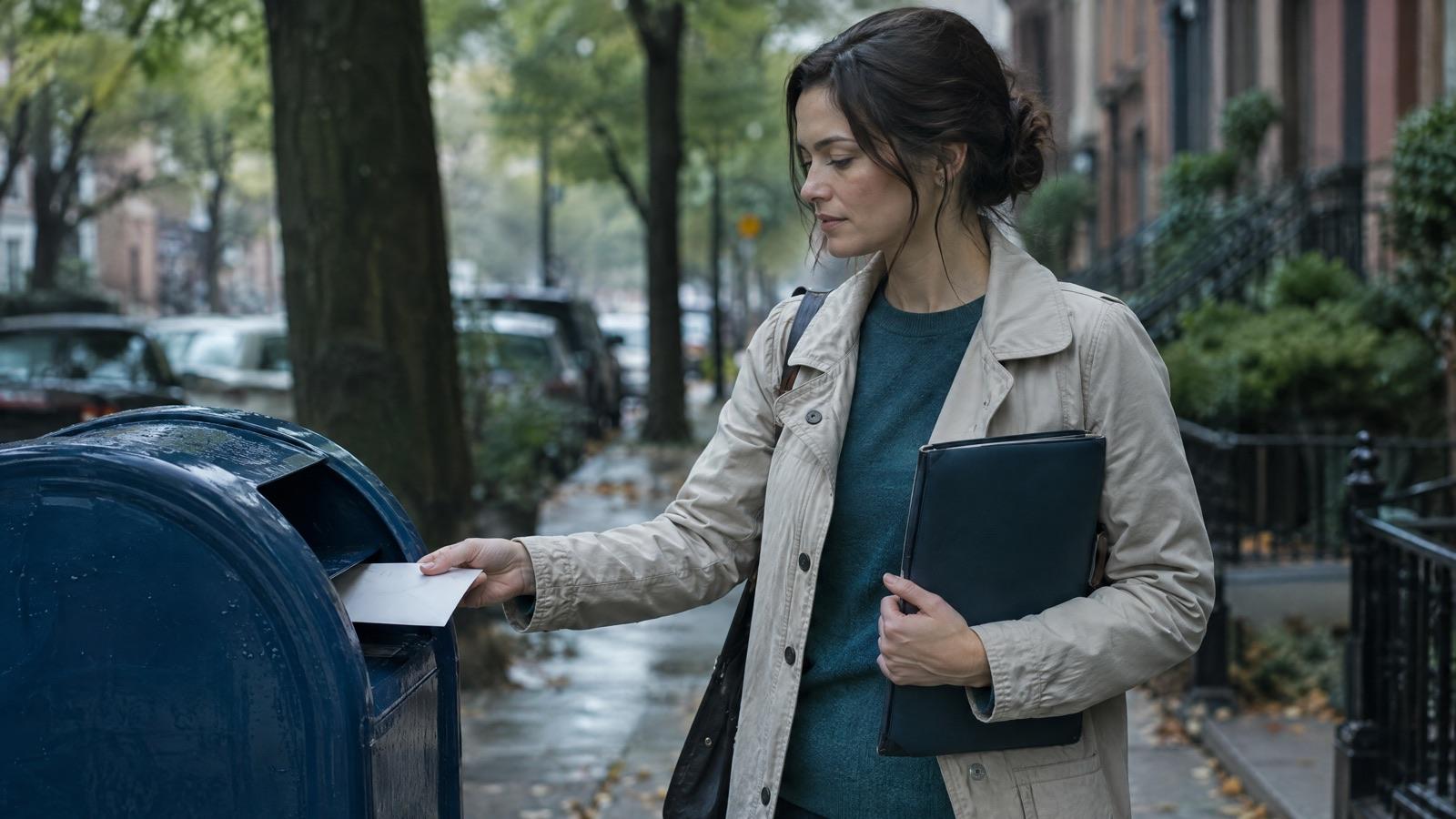 Court paperwork
What is a certificate of service? What it says and when you need one
A certificate of service is your written statement that you gave a copy of a filing to the other side. Here is what it says, when it is needed, and how federal Rule 5 fits in.
5 min readRead Court paperwork
Court filing checklist: what to check before you file anything
A step-by-step list to run through before you file court papers on your own, from choosing the right court to planning how the other side gets a copy.
5 min readRead