Pretrial and scheduling conferences explained, with federal Rule 16 basics
A pretrial or scheduling conference is a short meeting with the judge to plan the case. Here is what it is, what gets decided and how to prepare.
By the FastFile teamUpdated Nov 13, 2026 6 min read
General information, not legal advice. Rules differ by court and change over time. For your own case, ask your law firm. Law firms can contact us about FastFile.
What these conferences are
Many civil cases include one or more meetings with the judge before trial. They go by different names: scheduling conference, case management conference, status conference or pretrial conference. The purpose is the same: help the case move forward in an orderly way, so there are fewer surprises later.
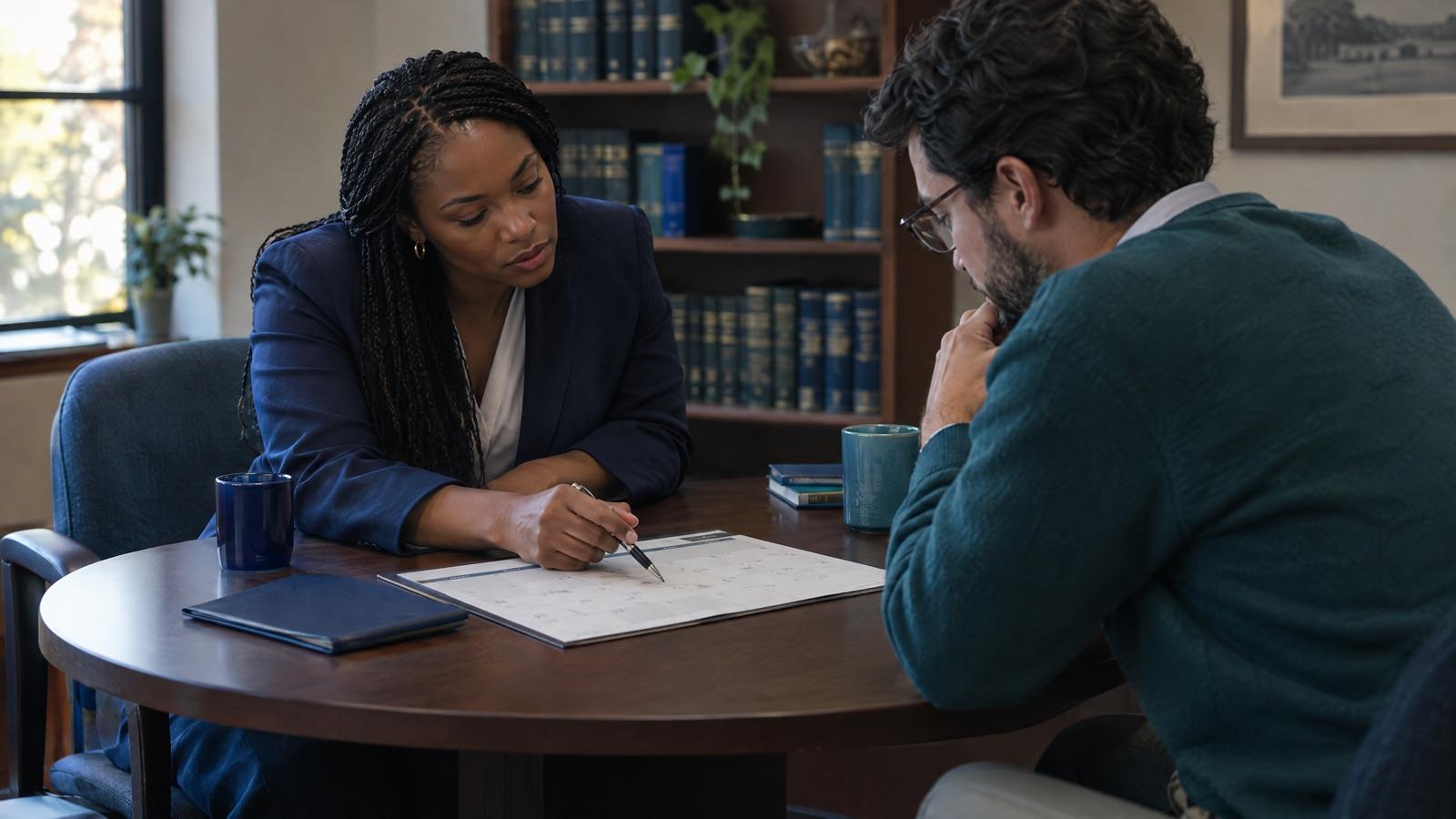
They are usually shorter and less formal than a trial. In some courts they happen in the judge's office, around a table, or by phone or video. No witnesses testify. The judge mostly asks questions and sets dates.
Federal Rule 16 basics
In federal court, Rule 16 of the Federal Rules of Civil Procedure covers these conferences. It says a judge may call the parties in to talk about things like narrowing the issues, planning discovery, avoiding delay and possibly settling. Most federal judges also issue a scheduling order early in the case. Rule 16(b) says the judge should do that within a set time after a defendant is served or appears, unless the judge finds good cause for more time.
Before the scheduling order, the parties usually must meet and talk, in what Rule 26(f) calls a discovery planning conference, and then send the court a written plan. People without lawyers take part in this too. Your court's local rules and the judge's own instructions fill in details, so read them. You can look up your court in the court directory, and see our guide on federal court without a lawyer.
State courts have their own rules and names for these meetings. Some state courts hold them in every case, some only in larger cases, and some small claims courts skip them. Check your state court's rules.
What is decided there
| Topic | What it means |
|---|---|
| Deadlines | Dates to add parties, change papers, finish exchanging information and file motions |
| Discovery | How and when the sides trade documents and ask questions, and any limits |
| Issues | Which facts are agreed and which are disputed |
| Motions | Whether any requests to the judge are expected, and when |
| Settlement | Whether the sides will talk, or try mediation |
| Trial | Whether it is a jury or judge trial, how long it may take and the likely date |
| Exhibits and witnesses | Lists and deadlines for sharing them, in a final pretrial conference |
The result is often a written order. Treat the dates in it as real. Rule 16(b)(4) says a schedule can be changed only for good cause and with the judge's consent, so do not count on getting extra time later. Put every date on your calendar, and see our deadline calculator.
How to prepare
Step 1: Read the notice and the judge's instructions
They may ask for a written report or a list of issues before the date.
Step 2: Reread the papers filed so far
Know what each side claims and what is disputed.
Step 3: Make a short list of what you need
For example, documents from the other side, a witness who must be subpoenaed, or time for a medical record.
Step 4: Think about dates
Check your own calendar for work and family conflicts so you can suggest realistic deadlines.
Step 5: Be ready to talk about settlement
The judge may ask. You do not have to agree to anything you are not ready for, but you should know what you want.
Step 6: Bring a calendar and a pen
Write the dates down as they are set.
The rules about talking to the judge are the same as at any hearing: be polite, say "Your Honor," and answer the question asked. See how to talk to a judge.
The final pretrial conference
Close to trial, some judges hold a final pretrial conference. Rule 16(e) says its order controls the course of the trial. Topics may include a list of witnesses and exhibits, objections to them, how long each side needs, and simple matters like how jurors will be told about the case. You may be asked to file a pretrial statement or to exchange exhibit lists beforehand. See how to label and organize exhibits and the civil trial step by step.
Conference checklist
0 of 7 doneYour ticks stay on this device only.
Quick check
At a scheduling conference the judge sets a deadline you cannot meet. What should you do?
Questions
Do I have to go to a pretrial conference?
If the court orders it, yes. Not attending can lead to penalties, and decisions may be made without you. If you cannot go, contact the court well before the date.
Will witnesses testify at a pretrial conference?
No. It is a planning meeting. The judge talks with the parties about dates, issues and next steps. Testimony and exhibits are for hearings and trial.
What is Rule 16?
Rule 16 of the Federal Rules of Civil Procedure lets federal judges hold pretrial conferences and issue scheduling orders to manage cases. State courts have their own rules.
Can I ask to change a deadline in the scheduling order?
Sometimes. In federal court the judge generally must find good cause. Ask the court as early as possible, and read the judge's instructions on how to ask.
Will the judge talk about settlement?
Often, yes. The judge may ask whether you have talked about settling or whether mediation might help. You do not have to agree to anything you are not comfortable with.
General information, not legal advice. Rules differ by court and change over time. For your own case, ask your law firm.
Read next
 Hearings and trials
How to prepare for a court hearing: a week-by-week plan
A calm plan for the weeks and days before your hearing: what to read, what to bring, what to say, and how to get there on time.
6 min readRead Hearings and trials
How a civil trial works, step by step
Jury or judge, opening statements, witnesses, exhibits, closing arguments and the decision: the usual order of a civil trial, in plain words.
6 min readRead Hearings and trials
How to talk to a judge when you have no lawyer
Say "Your Honor," wait your turn, keep answers short and calm. What to say, what to avoid, and what to do if you do not understand.
5 min readRead