How to sue a contractor in small claims court for unfinished or bad work
If a contractor left a job unfinished or did it badly, small claims may help. Here is what to do first, what to gather and how to name the business correctly.
By the FastFile teamUpdated Nov 13, 2026 5 min read
General information, not legal advice. Rules differ by court and change over time. For your own case, ask your law firm. Law firms can contact us about FastFile.
Is small claims the right place?
Small claims can work for a contractor dispute when you are asking for money and the amount is within your court's limit. Typical claims are for a deposit paid for work that never started, the cost to finish unfinished work or the cost to fix poor work.
Limits and rules differ by state. Check your state's page under small claims and the limits tool. If the damage is large, the problem involves safety or injury, or a lien is involved, ask your law firm which court fits.
What to do before you file
Step 1: Stop and document
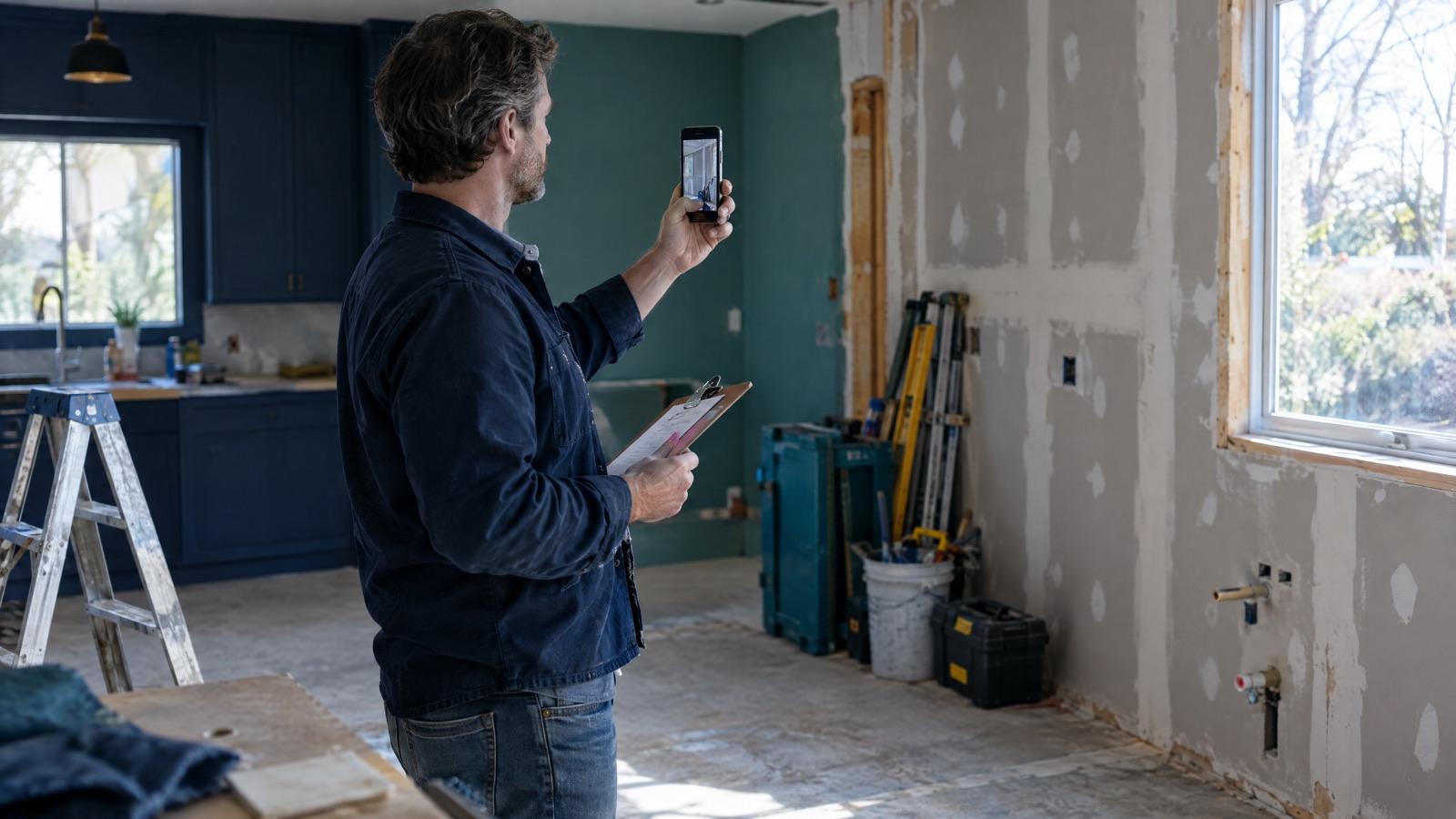
Take dated photos and video of the work, the unfinished areas and any damage. Do it before anyone repairs or covers anything.
Step 2: Get a written estimate to fix it
Ask another contractor to write down what is wrong and what it would cost to finish or repair. A written estimate is strong evidence.
Step 3: Send a demand
Tell the contractor in writing what went wrong, what you want and a date to respond. Keep proof it was sent. Try the demand letter tool and read the demand letter guide.
Step 4: Give a fair chance to fix it
Some states and contracts expect you to let the contractor try to correct the work. If you refuse a reasonable offer, it can hurt your claim.
Step 5: Check the deadline
Claims have time limits. See statute of limitations.
Licenses and bonds
Many states require contractors to hold a license for certain work, and some require a bond or insurance. A bond is a form of financial protection that may pay some claims if the contractor fails. Rules differ by state, so look at your state's licensing board website to see the license status, any complaints and whether a bond is on file.
- Write down the license number from the contract, the truck or the estimate.
- Search the number on the state licensing board's site and print the result with the date.
- Ask the board whether you can file a complaint, and whether there is a recovery fund.
- Keep in mind that being unlicensed can change what a contractor may collect. Ask your law firm how it applies in your state.
The evidence to gather
Contractor case file
0 of 9 doneYour ticks stay on this device only.
Organize the papers in order of the story. See what to bring to small claims court.
Naming the business correctly
Suing the wrong name is a common reason cases stall. Many contractors work under a trade name, but the legal party may be an LLC or corporation, or the owner as a person. Use the full legal name, and check which one signed your contract.
- Look at the contract for the company's full name, address and license number.
- Search your state's business registry for the exact legal name and the registered agent.
- If it is a sole owner using a business name, ask the clerk how to list the owner and the business name.
- Ask the clerk how the court wants multiple parties listed.
See how to sue a company for the basics, and serve court papers for how the papers reach the other side.
Quick check
Your contract says 'Smith Home Repairs LLC.' The truck says 'Smith Repairs.' Which name should you check first?
After you file
Serve the contractor the way your court requires, and keep proof. At the hearing, explain the agreement, what went wrong and what it will cost to fix, and hand over your copies. See small claims hearing: what to expect.
Questions
How much can I sue a contractor for in small claims?
It depends on your state's limit, which differs from place to place. Check the small claims limits tool and your state's page, and ask the clerk. Larger claims may need another court.
Do I have to send a demand letter first?
Some courts and contracts expect it, and even when it is not required it helps. It shows you tried to settle and can prompt the contractor to respond. Keep proof it was sent.
What if the contractor is unlicensed?
It can affect the case, depending on your state. Find the license status on your state licensing board's website, print it, and ask your law firm how the rules apply to you.
Can I get the cost to finish the job?
Often a court looks at the reasonable cost to finish or fix the work, with the money you already paid. A written estimate from another contractor helps show that cost.
What if there was no written contract?
You can still bring a claim. Use texts, emails, receipts and photos to show what was agreed and paid. A witness who heard the deal can help too.
General information, not legal advice. Rules differ by court and change over time. For your own case, ask your law firm.
Read next
 Before you sue4 min readRead the guide
How to write a demand letter, with an outline to follow
What a demand letter is, why it often settles a dispute before court, what to put in it, how to send it, and what to do if there is no reply.
 Money disputes3 min readRead the guide
Breach of contract in small claims court, step by step
What a breach of contract is, what you usually need to show, how to work out the amount and how a small claims case about a contract works.
 Small claims8 min readRead the guide
Small claims court: how to file, step by step
What small claims court is, what to gather before you file, how filing works, what to expect at the hearing and what comes after.