Which small claims court do I file in? How to find the right county
Where you file depends on where the other side lives or does business and where the problem happened. Here is how to work it out and confirm it with the clerk.
By the FastFile teamUpdated Nov 13, 2026 5 min read
General information, not legal advice. Rules differ by court and change over time. For your own case, ask your law firm. Law firms can contact us about FastFile.
Why the right court matters
Small claims courts are local. Each state divides its courts by county or district, and a case usually has to be filed in the one that connects to the dispute. File in the wrong place and the court may send your case away, or make you start over, and you can lose time and the filing fee.
The word for this is venue: the right place to file inside the state. A related idea is jurisdiction, which means whether that court has the power to decide your kind of case, for the amount you are asking. The rules differ by state, so treat this article as a map, and confirm the details.
The usual places you can file
Most states allow you to file in one or more of these places. Your state may list them differently.
- Where the person or business you are suing lives. This is the most common choice for a person.
- Where a business has an office or does business. For a company, this often means the county where it has a location or where you dealt with it.
- Where the event happened. For a car accident, a damaged item or a job done at your home, the place where it took place may count.
- Where the contract was signed or was to be carried out. Some states allow this for agreements.
How to work out the right court
Step 1: Write down the other side's exact name and address
For a person, use a home address. For a business, find the legal name and the address of its office or agent. See how to sue a company.
Step 2: Note where it happened
Write the town and county where the work was done, the item was damaged or the agreement was carried out.
Step 3: Look up your state
Open your state's page under small claims to see its rules and the courts that hear these cases.
Step 4: Find the specific court
Use the court directory or the which court tool to find the courts that fit, then open the court's own website.
Step 5: Confirm with the clerk
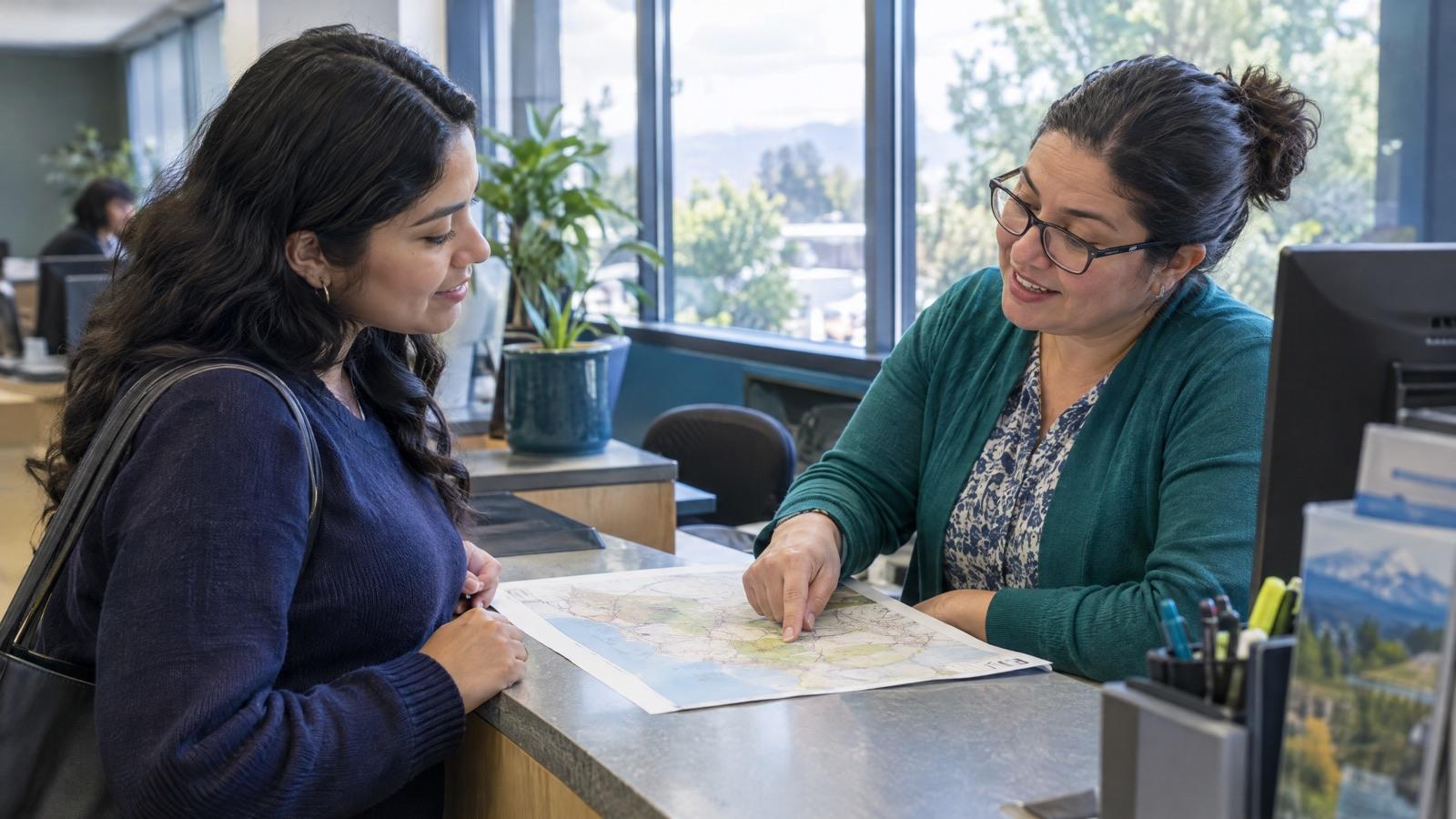
Call or visit the clerk's office and say where the other side lives and where it happened. Ask which court covers it.
How to confirm with the clerk
Clerks cannot give legal advice, but they can tell you which court covers an address and how to file. A short, specific question works well. For example: the business is at this address, the work was done at my home in this town, which court takes the case?
- Ask whether the court takes cases from that address.
- Ask whether the amount you want is within the court's limit. See small claims limits.
- Ask how the court takes filings, and what you need to bring.
- Write down the name of the person you spoke to and the date.
Quick check
You live in one county, but the business you are suing has its only office in another. Where do you usually start?
Mistakes to avoid
Before you file
0 of 6 doneYour ticks stay on this device only.
If the other side is a business with several locations, choose carefully. If you are not sure whether to file in small claims at all, read small claims vs civil court, and ask your law firm about your own case.
Questions
Can I file where I live?
Sometimes. Many states connect small claims to where the other side lives or does business, or where the event happened, rather than where you live. Check your state's rules and ask the clerk before you file.
What if I file in the wrong court?
The court may dismiss the case or send you to the right court, and you may lose the fee or time. It is better to confirm with the clerk first, since rules differ by state.
How do I find the court that covers an address?
Use the court directory or your state's court website, then call the clerk with the address. Clerks can tell you which court covers it, though they cannot advise you on your case.
Does the amount I ask for change which court I use?
It can. Small claims courts have limits that vary by state, and bigger claims go to other courts. See the small claims limits tool and your state's page.
What if the business is out of state?
State small claims courts often have trouble reaching people who are outside the state. Ask the clerk whether the court can hear your case, and ask your law firm about your options.
General information, not legal advice. Rules differ by court and change over time. For your own case, ask your law firm.
Read next
 Small claims8 min readRead the guide
Small claims court: how to file, step by step
What small claims court is, what to gather before you file, how filing works, what to expect at the hearing and what comes after.
 Starting a case7 min readRead the guide
How to sue someone: a plain-English guide
How a lawsuit starts, how to pick the right court, how to sue a business by its legal name, and what happens after you file, in plain words.
 Small claims
How much does small claims court cost? Every expense to plan for
The filing fee is only one cost. Here is everything that can cost money in a small claims case, how to estimate it, how fee waivers work and how to ask for costs back.
6 min readRead