How to serve court papers in Virginia
Can you serve the papers yourself?
Someone who is not part of the case has to serve the papers. You can't hand them over yourself.
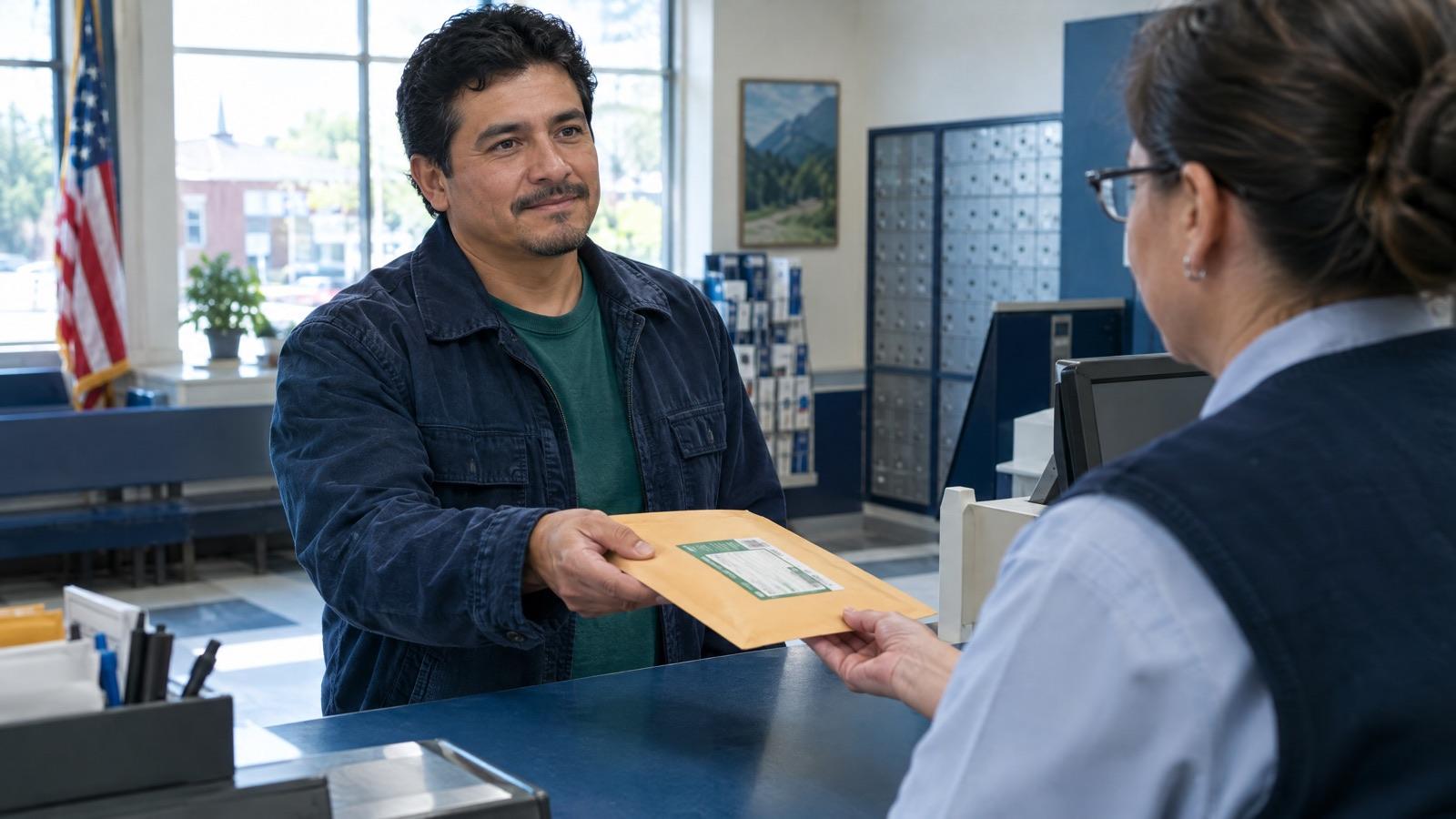
Who can serve the papers
- The sheriff
- Any adult 18 or older who is not a party and has no interest in the case
- A private process server (an adult non-party who charges a fee)
Va. Code 8.01-293 allows any adult who is not a party or interested in the case, and defines a private process server as one who charges a fee. The section does not mention registration or a license.
Check with the clerk whether your county has its own rules for process servers.
Ways to serve
Hand delivery
AllowedHand the process to the person.
Leaving papers at the home
AllowedIf the person is not at the usual home, leave a copy with a family member who is at least 16 and found there (not a temporary guest) and explain what the papers are about.
Posting at the home
AllowedIf that fails, post a copy on the front door or main entrance. At least 10 days before a default judgment, a copy must be mailed and a certificate of mailing filed with the clerk.
Waiver or acceptance of service
AllowedVa. Code 8.01-286.1 lets the plaintiff mail a notice and waiver request. The defendant has up to 30 days to return it, or 60 days if addressed outside Virginia.
Newspaper notice (publication)
AllowedOnly in appropriate cases when personal and substituted service fail (Va. Code 8.01-316 through 8.01-320).
The deadline to serve
- Days to serve
- No single number in the rules
Service within twelve months after the case is filed is timely. Later service counts only if the court finds the plaintiff made reasonable, good-faith efforts to serve on time.
Proof of service
After the papers are served, the server signs a proof of service and it is filed with the clerk. In Virginia it is the Return of the process by the server, filed with the court (Va. Code 8.01-294, 8.01-325).
Serving a company, and small claims
- A company
- For a domestic corporation, deliver the papers to an officer or director or to its registered agent. For a limited liability company, serve the registered agent. This is not the only allowed way (Va. Code 8.01-299).
- Small claims
- A sheriff's deputy or private process server serves the civil warrant: in hand, by leaving it with an adult family member 16 or older at the home, or by posting it on the front door. The plaintiff should also mail a copy by first-class mail at least 10 days before the hearing and file a certificate of mailing. The rule
Serving checklist
0 of 6 doneYour ticks stay on this device only.
Where this comes from
Virginia's own rules and court pages, read in November 2026. Rules change: check them before you serve.
- Va. Code 8.01-275.1, 8.01-286.1, 8.01-293, 8.01-296, 8.01-299
- Va. Sup. Ct. Rule 3:8 (amendment order, Supreme Court of Virginia)
- Va. Code 8.01-293 Authorization to serve process
- Va. Code 8.01-299 Serving domestic corporations
- Va. Code 8.01-275.1 When service of process is timely
- Va. Code 8.01-286.1 Waiver of service
- Small Claims (Virginia Judicial System self-help)
General information, not legal advice. Rules differ by court and change over time. For your own case, ask your law firm.
Questions
Short answers about serving papers in Virginia, from the state's own rules.
Who can serve court papers in Virginia?
The sheriff. Any adult 18 or older who is not a party and has no interest in the case. A private process server (an adult non-party who charges a fee).
Can I serve the papers myself in Virginia?
No. Someone who is not a party to the case has to serve them.
How long do I have to serve the papers in Virginia?
Service within twelve months after the case is filed is timely. Later service counts only if the court finds the plaintiff made reasonable, good-faith efforts to serve on time.
How do I serve a company in Virginia?
For a domestic corporation, deliver the papers to an officer or director or to its registered agent. For a limited liability company, serve the registered agent. This is not the only allowed way (Va. Code 8.01-299).
Suing in Virginia?
Get the code from your law firm and sign up. You decide what to file, and nothing goes to the court without your OK.
FastFile is not a law firm and does not give legal advice. FastFile is a self-help platform for people who represent themselves in court. Using FastFile does not create an attorney-client relationship.