How to serve court papers in Colorado
Can you serve the papers yourself?
Someone who is not part of the case has to serve the papers. You can't hand them over yourself.
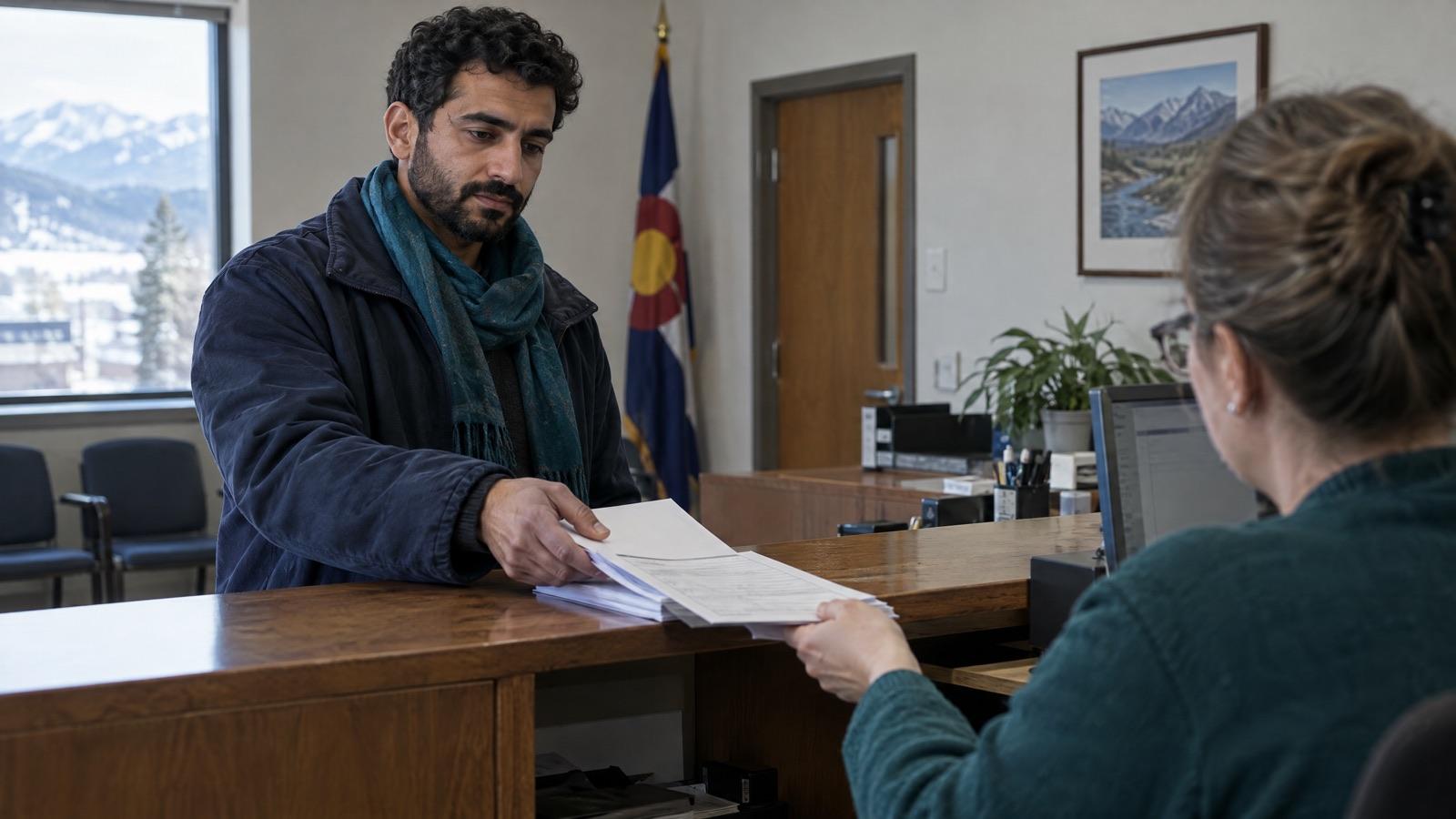
Who can serve the papers
- Any person who is 18 or older and is not a party to the case, including a sheriff or a private process server
Rule 4(d) only requires the server to be 18 or older and not a party. It does not mention a license or registration for private servers.
Check with the clerk whether your county has its own rules for process servers.
Ways to serve
Hand delivery
AllowedHand the papers to the person. The rule also counts leaving them at the person's usual home with a family member who is 18 or older, or at the person's usual workplace with a supervisor, secretary, administrative assistant, bookkeeper, human resources representative or managing agent. If the person refuses, the server can say what the papers are, offer them, and leave them in a visible place.
Leaving papers at the home
AllowedIf personal service fails, the plaintiff can ask the court for an order allowing delivery to another suitable person, with the papers also mailed on or before delivery. Service is complete on the date of delivery.
Certified or registered mail
Not allowedMail and publication are allowed only in cases about specific property or status (in rem), with a court order. The court can then order registered or certified mail with a return receipt signed by the addressee only.
Newspaper notice (publication)
AllowedOnly with a court order, in cases about specific property or status. The notice is published once a week for 5 weeks in a county newspaper, and a copy is mailed within 14 days after the order. Service is complete on the day of the last publication.
Waiver or acceptance of service
AllowedThe person can waive service. Waiving service does not waive objections to venue or to the court's power over the person.
The deadline to serve
- Days to serve
- 63 days
If a defendant is not served within 63 days (9 weeks) after the complaint is filed, the court must dismiss the case against that defendant without prejudice or order service by a set time. It must extend the time if the plaintiff shows good cause.
Proof of service
After the papers are served, the server signs a proof of service and it is filed with the clerk. In Colorado it is the Affidavit of Service (form JDF 98) or a sworn or unsworn declaration of service.
Serving a company, and small claims
- A company
- Serve the company's registered agent listed with the Colorado Secretary of State, or an officer, general partner, manager or member (or that person's secretary or assistant).
- Small claims
- The notice must be served at least 15 days before the trial. It can be served by any person who is 18 or older and not a party, by the sheriff or a process server, or by certified mail sent by the clerk. The plaintiff cannot serve the papers. Proof of service must be filed with the clerk. The rule
Serving checklist
0 of 6 doneYour ticks stay on this device only.
Where this comes from
Colorado's own rules and court pages, read in November 2026. Rules change: check them before you serve.
General information, not legal advice. Rules differ by court and change over time. For your own case, ask your law firm.
Questions
Short answers about serving papers in Colorado, from the state's own rules.
Who can serve court papers in Colorado?
Any person who is 18 or older and is not a party to the case, including a sheriff or a private process server.
Can I serve the papers myself in Colorado?
No. Someone who is not a party to the case has to serve them.
How long do I have to serve the papers in Colorado?
If a defendant is not served within 63 days (9 weeks) after the complaint is filed, the court must dismiss the case against that defendant without prejudice or order service by a set time. It must extend the time if the plaintiff shows good cause.
How do I serve a company in Colorado?
Serve the company's registered agent listed with the Colorado Secretary of State, or an officer, general partner, manager or member (or that person's secretary or assistant).
Suing in Colorado?
Get the code from your law firm and sign up. You decide what to file, and nothing goes to the court without your OK.
FastFile is not a law firm and does not give legal advice. FastFile is a self-help platform for people who represent themselves in court. Using FastFile does not create an attorney-client relationship.